
NEMP dispatches pilots as required by law in RI, MA, CT & NY waters. Northeast Marine Pilots provides general information to help vessel owners, operators, agents, and masters understand pilotage frameworks that may apply when operating in Rhode Island, Massachusetts, Connecticut, and designated waters of New York.

WHAT “COMPULSORY PILOTAGE” MEANS
Compulsory pilotage refers to the circumstances under which a vessel may be required by law to employ a state-licensed or federally licensed marine pilot when navigating certain waters. Such requirements are established under applicable state and federal pilotage laws and can vary depending on vessel type, voyage type, and operating area.
Whether pilotage applies depends on multiple factors and can change during a single voyage. Contact NEMP to discuss your plans, questions, and concerns before your voyage.

WHO AND WHAT CAN BE SUBJECT TO PILOTAGE
Pilotage requirements may vary based on:
- Vessel type and service
- Gross tonnage or displacement
- Draft
- Flag state
- Trade (foreign or domestic)
- Specific waters transited
- Segment of the voyage
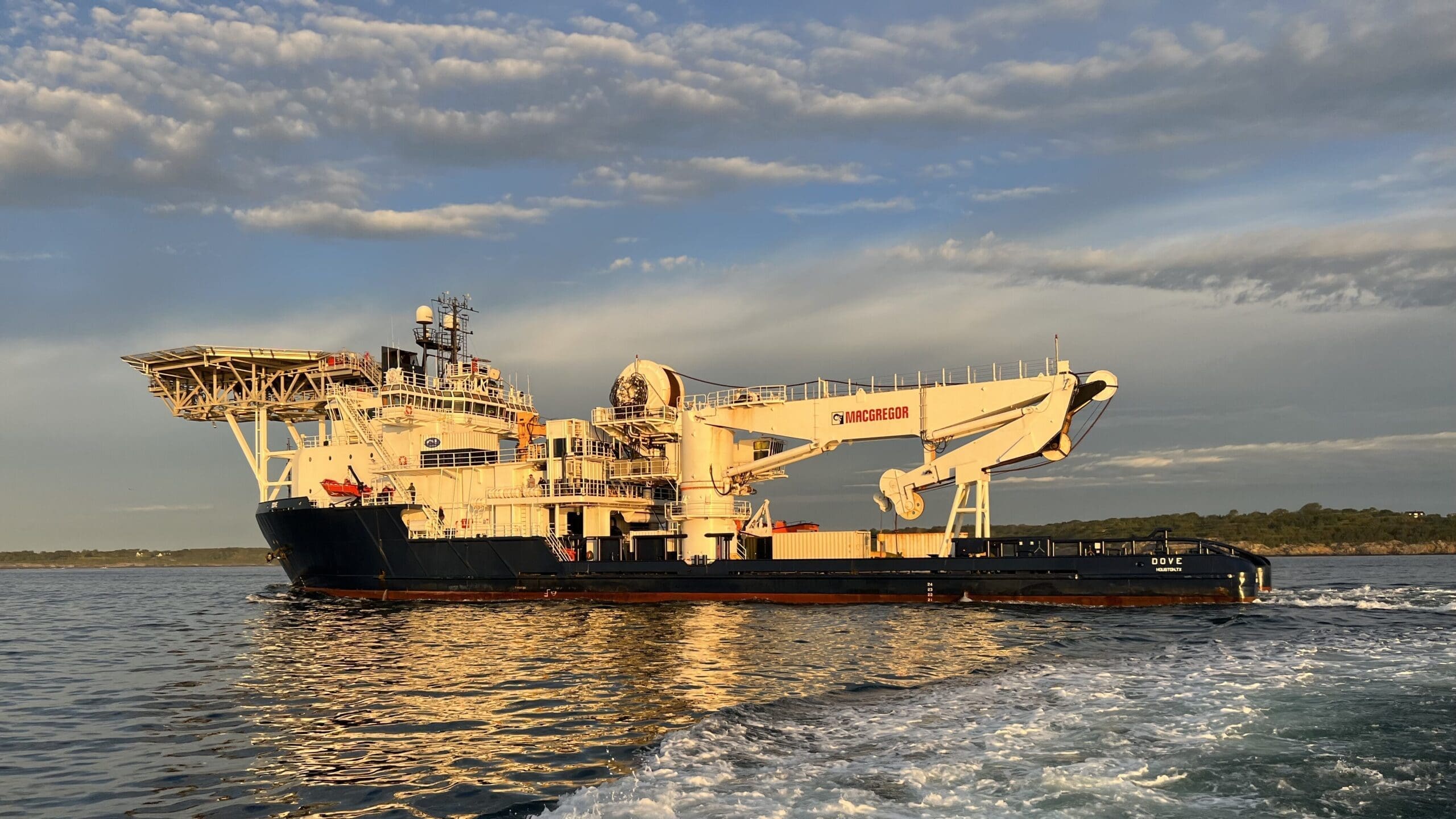
Some commercial vessels, tankers, passenger vessels, and certain yachts may be subject to pilotage requirements in one jurisdiction but not another. Always consult dispatch with your questions or concerns.
STATE AND FEDERAL PILOTAGE FRAMEWORKS
Pilotage in the Northeast operates under a combination of state and federal authority:
- State pilotage generally applies in state waters and to certain classes of vessels under state law
- Federal pilotage may apply to U.S.-flag vessels operating under federal statutes
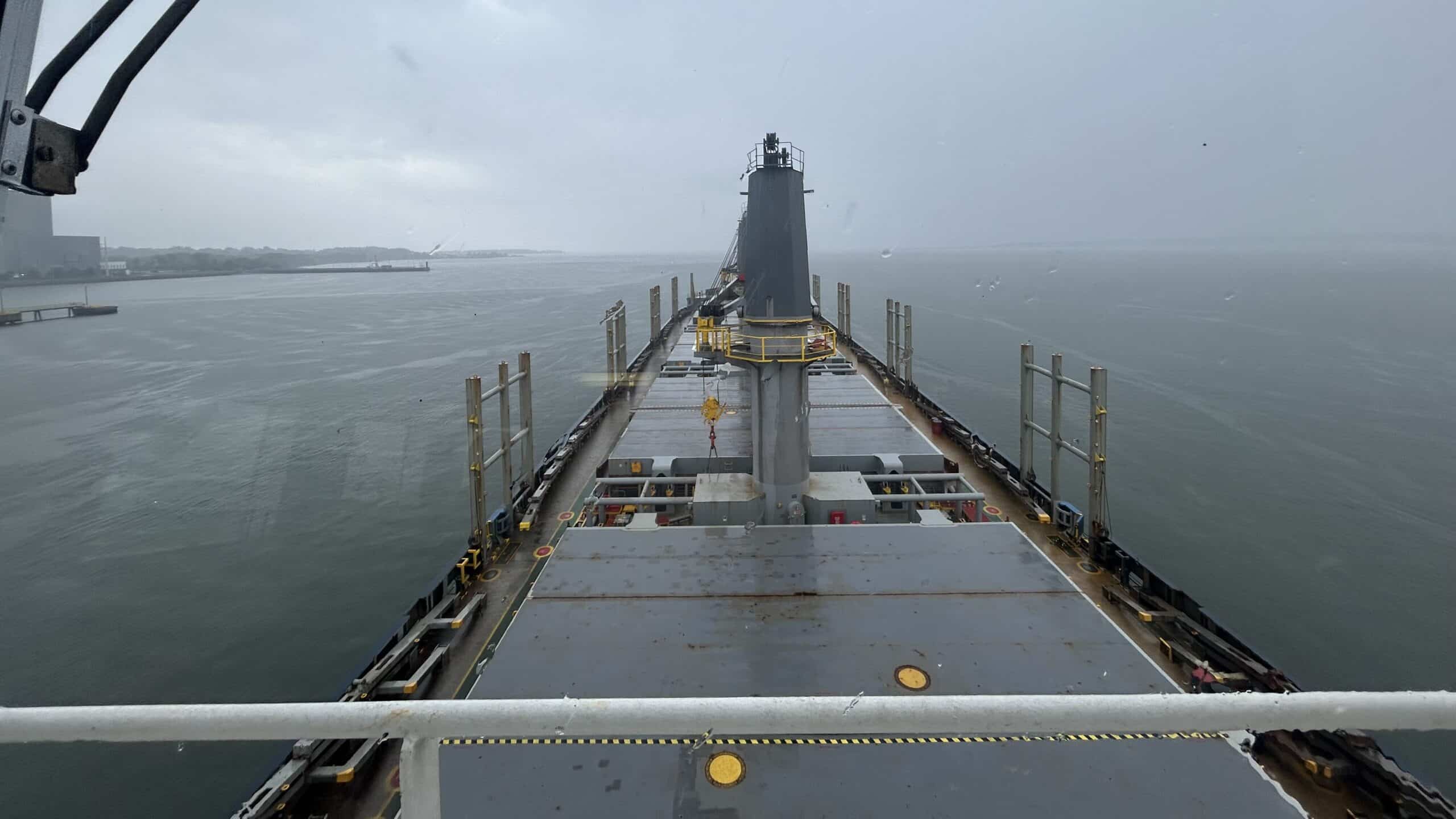
Because these frameworks overlap geographically, a vessel may move between different pilotage regimes during a single transit.
JURISDICTIONAL COMPLEXITY IN THE NORTHEAST
The waters of RI, MA, CT, and NY include:
- Congested traffic lanes
- Narrow and restricted channels
- Strong tidal currents
- Seasonal weather variability
- Overlapping state and federal jurisdictions
As a result, pilotage applicability often depends on where the vessel is, where it is going, and how it is operating at that point in the voyage.

NEMP’S ROLE IN RELATION TO COMPULSORY PILOTAGE
Northeast Marine Pilots’ role is to support communication and coordination, not to determine legal obligations.
Specifically, NEMP: Coordinates dispatch for state-licensed and federally licensed marine pilots; Provides general, non-binding information regarding regional pilotage practices; Supports vessel agents, owners, operators, and bridge teams through 24/7 dispatch coordination.
NEMP does not: Enforce pilotage laws; Issue legal determinations or exemptions; Decide whether pilotage is compulsory for a specific vessel or transit.

DETERMINING APPLICABILITY
Responsibility for determining whether pilotage is required rests with the vessel owner, operator, or master, often in consultation with vessel agents, legal or compliance advisors, and/or relevant state pilot authorities or regulatory agencies.
For formal determinations or exemptions, vessels should contact the appropriate state pilot authority or federal agency.

WHEN TO CONTACT DISPATCH
Even when applicability is uncertain, early coordination with dispatch is essential.
24/7/365 DISPATCH: 401-847-9050 Vessels should coordinate with dispatch as soon as possible. All pilot orders must be placed at least 24 hours in advance.
Pilot Orders must be placed by phone; email and forms are not official orders.

RELATED OPERATIONAL INFORMATION
- Order a Pilot — How to request pilot services and required notice
- Pilot Stations & Boarding — Boarding locations, ladder requirements, and general procedures
- Information for Yachts — Yacht-specific pilotage considerations
- Operations & Resources — Weather, webcams, and port references
CLEAR UNDERSTANDING SUPPORTS SAFE TRANSITS
Pilotage laws are complex. Northeast waters are demanding. Early planning, clear communication, and coordination with NEMP help support safe and compliant vessel operations throughout RI, MA, CT, and NY waters.