
General Procedures in RI, MA, CT & NY Waters:
Northeast Marine Pilots coordinates dispatch for licensed marine pilots boarding vessels throughout Rhode Island, Massachusetts, Connecticut, and designated waters of New York. This page provides general information regarding pilot boarding locations and standard boarding considerations used in Northeast pilotage operations.
Pilot boarding in the Northeast often occurs in open waters, approaches, and designated boarding areas prior to entering confined or regulated waterways. Boarding locations are selected based on safety, vessel characteristics, weather, traffic, and jurisdictional considerations.

PILOT BOARDING IN THE NORTHEAST
Final boarding details are coordinated through the vessel and pilot boat. Pilot boats monitor VHF Channels 10, 13, and 16 approximately 1 to 2 hours prior to boarding. Pilot boats do not monitor the VHF radio 24/7.
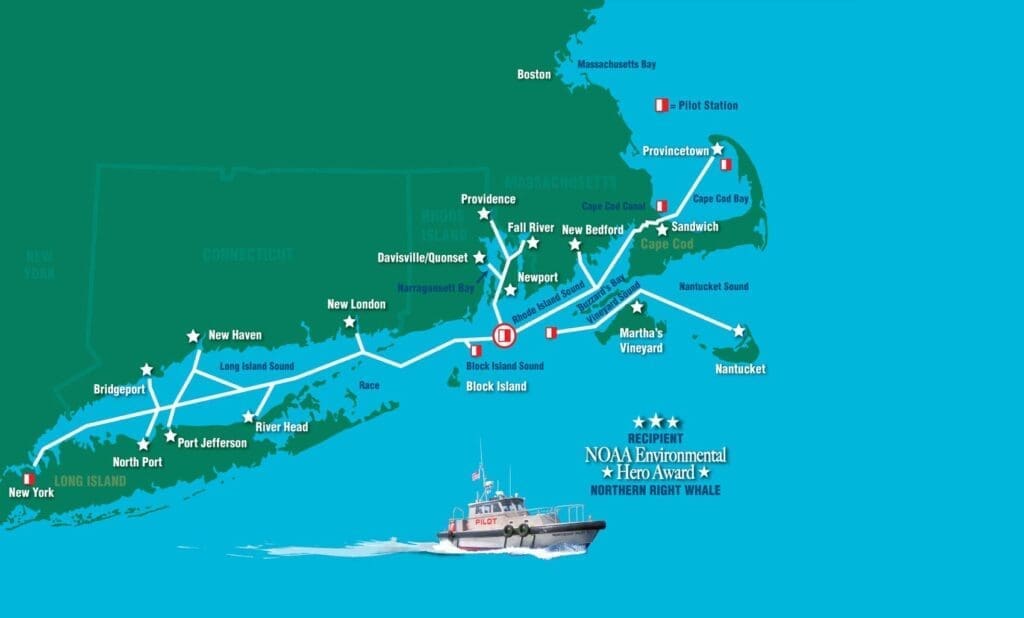
SERVICE AREA
Northeast Marine Pilots operates from designated boarding areas throughout Rhode Island, Connecticut, Massachusetts, and portions of New York. The graphic below shows our general geographical coverage, waters, and major ports, Additional routes and destinations must be planned with dispatch, agent, masters, and the assigned pilot(s).
PRIMARY PILOT STATIONS & BOARDING AREAS
Licensed pilots coordinated through NEMP commonly board vessels in or near the following areas, depending on route and jurisdiction. Specific boarding locations may vary based on destination, vessel draft and size, weather and sea state, traffic conditions, pilot boat availability, and applicable state or federal pilotage regimes/recommended routes.
Dispatch will coordinate the approximate boarding location at the time of ordering or confirmation.
The pilot boat will provide final boarding instructions via VHF 10/13/16, 1 to 2 hours prior to the scheduled POB.
The pilot stations listed below are provided for general reference and voyage planning purposes only. Actual boarding locations may vary. Pilot boats will provide final boarding arrangements via VHF 10/13/16 approximately 1 to 2 hours prior to the scheduled POB.
| Pilot Station/Area | Approximate Position | Use of Pilot Station |
|---|---|---|
| Brenton Reef / Narragansett Bay Approach | 41°23.4 N, 71°21.2 W | Commonly used for vessels approaching or departing Narragansett Bay and Rhode Island ports. |
| Point Judith | 41°17.0 N, 71°31.0 W | Commonly referenced for vessels operating near Point Judith and surrounding approaches for all vessels bound for New York and Connecticut via Block Island and Long Island Sounds |
| Buzzards Bay (Tower Area) | 41°20.0 N, 71°05.0 W | Commonly referenced for vessels transiting Buzzards Bay, usually to/from the Cape Cod Canal (CCC) and adjacent waters, including the Port of New Bedford. |
| Sandwich (East End of Cape Cod Canal) | 41°48.0 N, 70°28.5 W | Commonly referenced for vessels approaching or departing the eastern entrance of the Cape Cod Canal. |
| Gay Head / Martha’s Vineyard | 41°20.0 N, 71°00.0 W | Commonly referenced for vessels operating near the western approaches to Vineyard Sound. |
| Western Long Island Sound (Execution Rocks Area) | 40°87.8 N, 73°73.0 W | Commonly referenced for vessels operating in the western Long Island Sound and approaches to New York–area ports. |
| Provincetown | 41-58.2N, 070-12.5W | Commonly referenced for vessels operating near the northern entrance to Cape Cod Bay. |
COORDINATION THROUGH DISPATCH
24/7 PILOT DISPATCH — 401-847-9050
All pilot orders are coordinated through dispatch. When ordering a pilot, vessels should be prepared to discuss: estimated time of arrival (ETA) at the boarding area, vessel draft and freeboard, preferred boarding side, intended route, destination, and docking intentions.
Early communication with dispatch supports safer boarding arrangements, reduces the likelihood of delays, and lowers expenses due to last-minute changes.
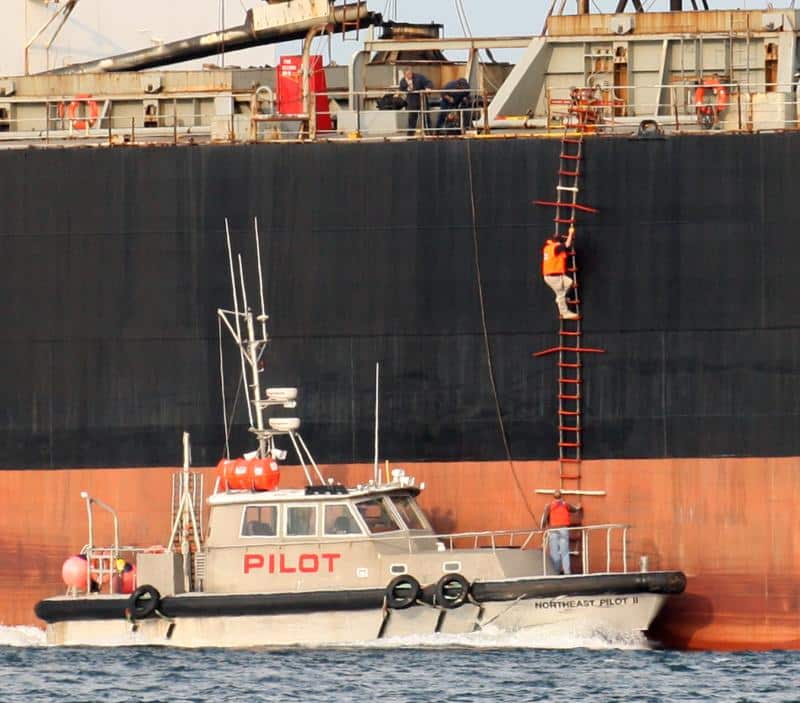
PILOT LADDER & TRANSFER ARRANGEMENTS
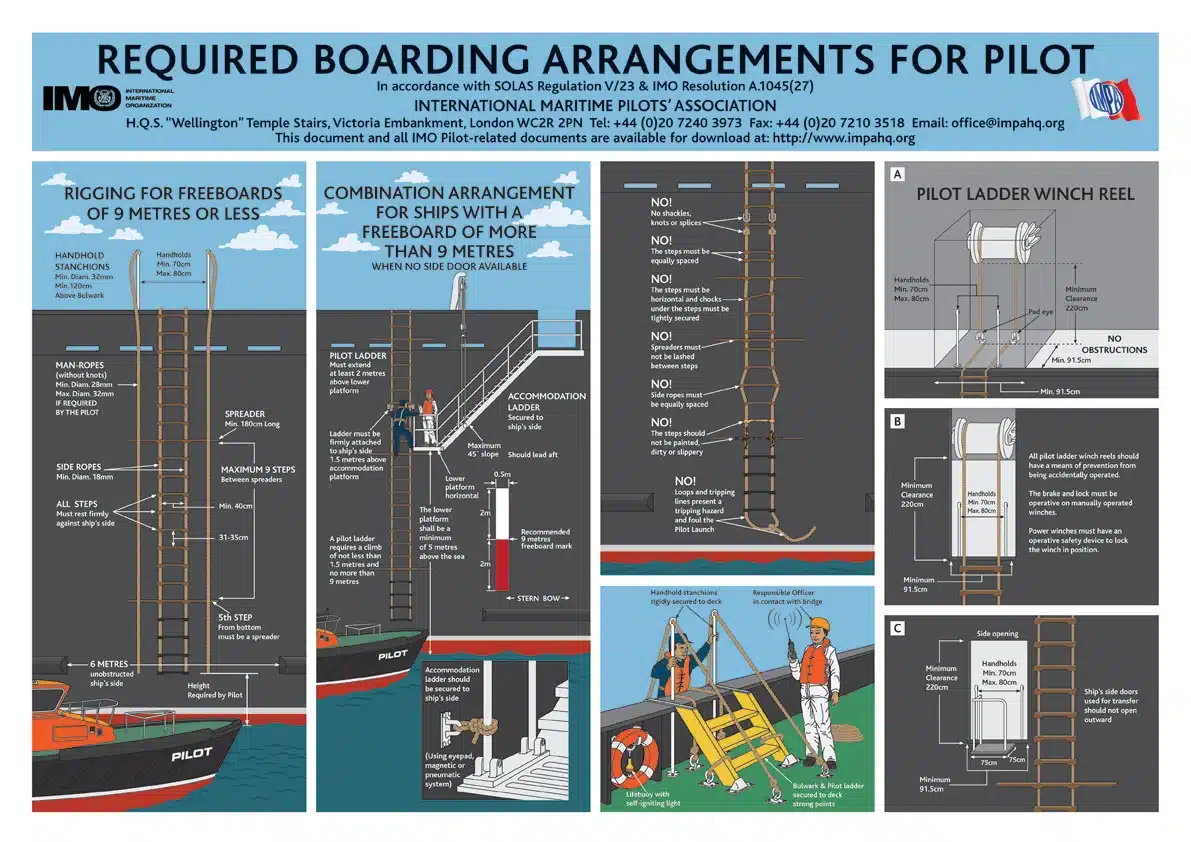
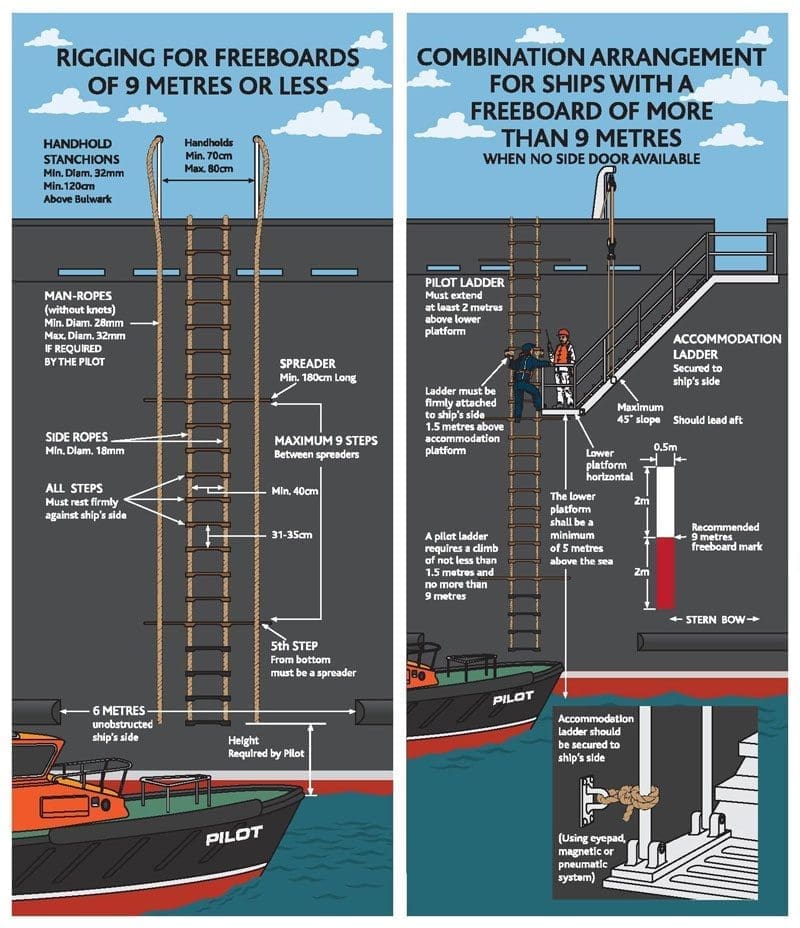
Safe pilot transfer is essential. Vessels must comply with all applicable regulations for safe and properly rigged pilot rigged pilot ladders. This includes, but not limited to, the international and domestic standards including:
- SOLAS Chapter V, Regulation 23, U.S. Coast Guard Pilot Transfer Safety Requirements
- Crew attended
- Correct ladder length and placement
- Secure attachment points
- Adequate lighting during hours of darkness
- Clear access at the embarkation point
Combination ladders or alternative arrangements may be required depending on freeboard, sea conditions, or pilot boat configuration. Final ladder arrangements are confirmed between the pilot and the vessel prior to boarding.
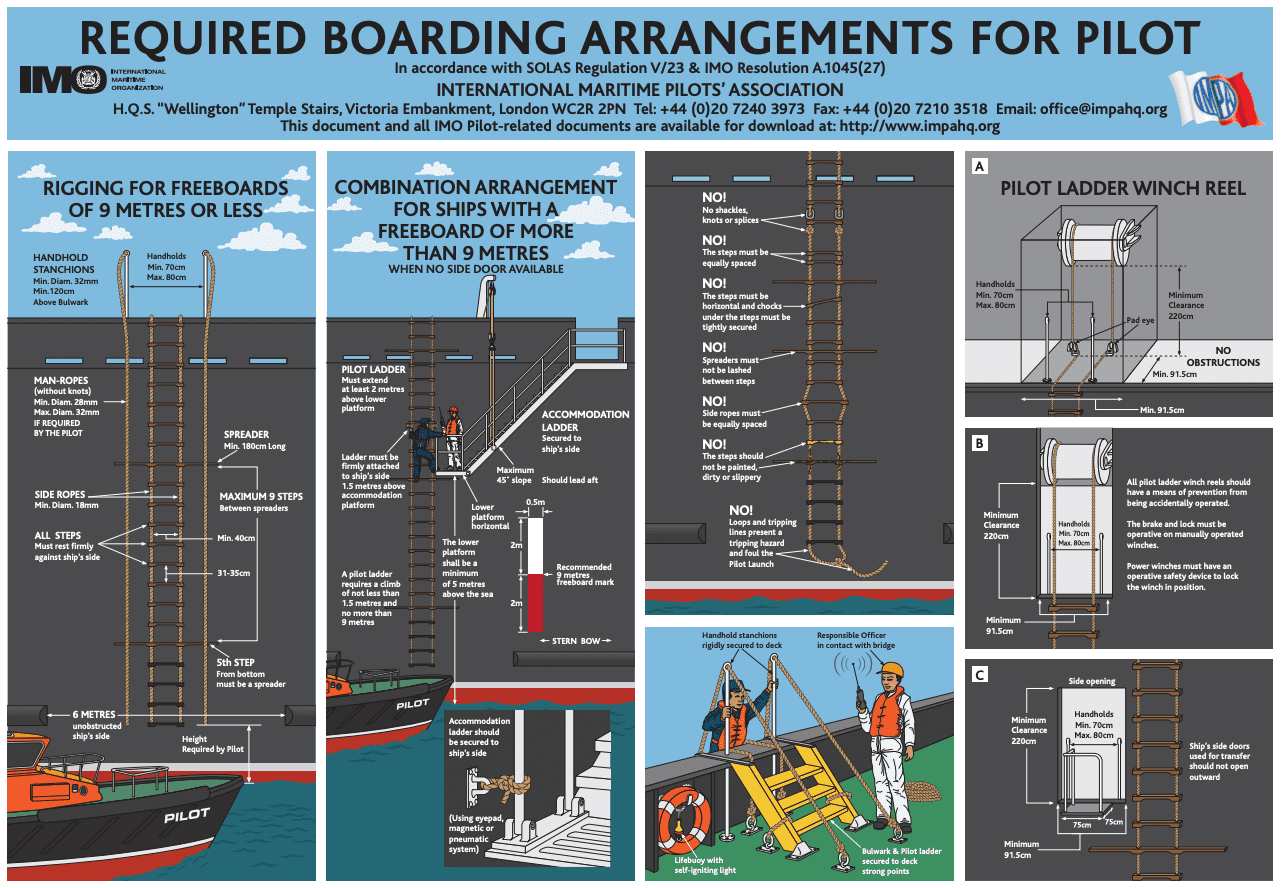
Failure to meet boarding and ladder requirements may result in boarding delays or deferral, at the sole discretion of the pilot, consistent with safety policies and legal requirements. Vessels should closely reference the diagrams below. Final arrangements are made via VHF 10/13/16.
Pilot station usage, boarding side, and boarding method may vary due to weather, sea state, visibility, vessel characteristics, traffic, and other operational considerations.

WEATHER, SEA STATE & OPERATIONAL CONDITIONS
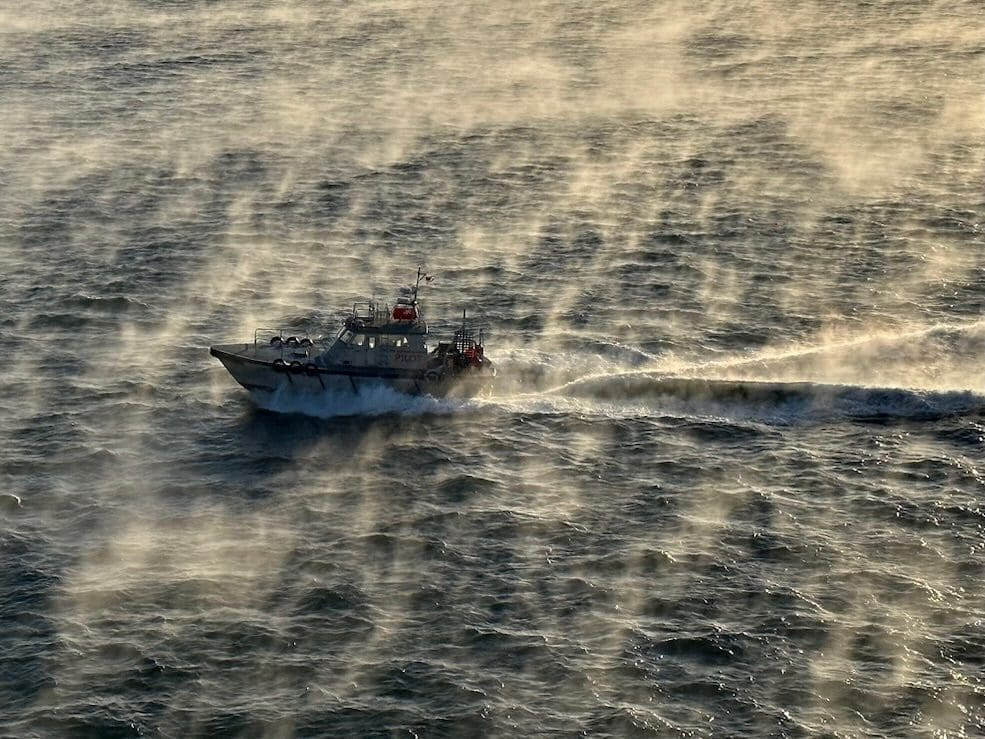
Pilot boarding operations are subject to prevailing conditions, including: wind and sea state, visibility, tidal currents, day/night regulations, and the vessel’s speed, draft and maneuverability.
Be advised, adverse conditions may require adjusted boarding locations, delayed boarding, modified transfer arrangements or closure of pilot station(s).
Safety considerations always take precedence in determining whether and when boarding can occur.

JURISDICTIONAL CONSIDERATIONS
Pilot boarding locations and procedures may differ based on whether the vessel is operating under state or federal pilotage frameworks, and which waters are being transited at the time of boarding.
Because voyages in the Northeast frequently cross multiple jurisdictions, boarding arrangements may vary even during a single transit.
NEMP supports coordination and communication but does not determine regulatory applicability.
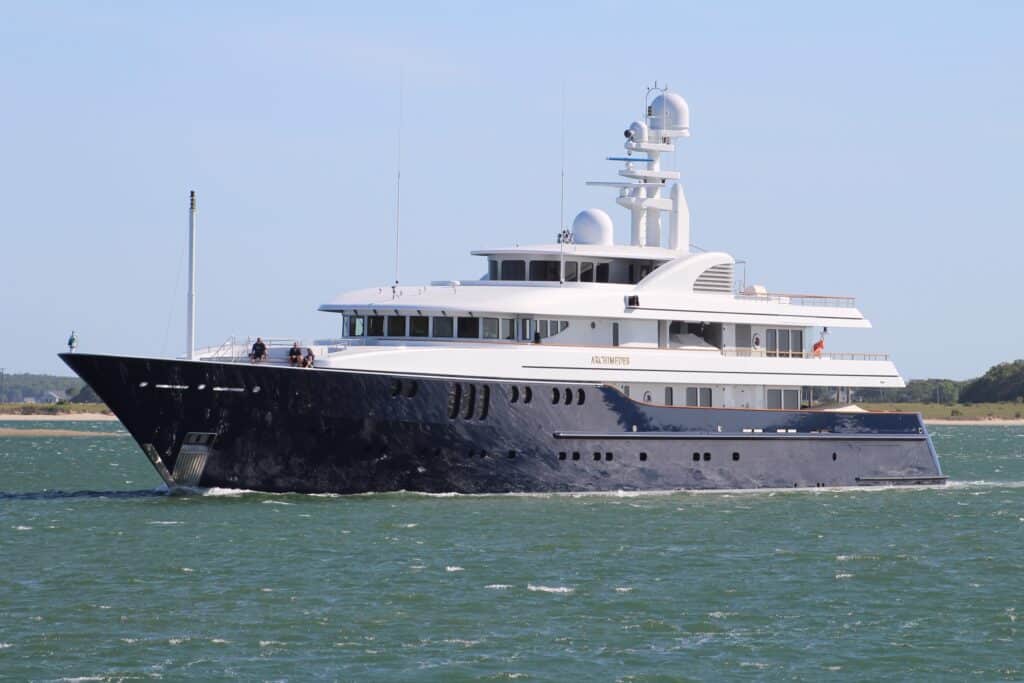
INFORMATION FOR YACHT OPERATIONS
Yachts may board pilots at different locations than commercial vessels due to draft, speed, and operational profiles. Yacht captains and managers are encouraged to coordinate early with dispatch to discuss trip specifics, pilot ladders and tenders, and timing relative to conditions and traffic.
RI, MA, CT, and New York have different compulsory pilotage regulations. Additional yacht-specific guidance is available on the Information for Yachts page.

RELATED INFORMATION & RESOURCES
